The Power Of Radical Self Acceptance
If I Can Do It, You Can Too! No BS, no $10k investment, and no unrealistic promises—just simple, accessible steps that can transform your relationship with your ADHD brain.


If I Can Do It, You Can Too! No BS, no $10k investment, and no unrealistic promises—just simple, accessible steps that can transform your relationship with your ADHD brain.

Coping mechanisms are the strategies or skills people use to manage a problem. For people with ADHD these coping mechanisms help us manage life better.

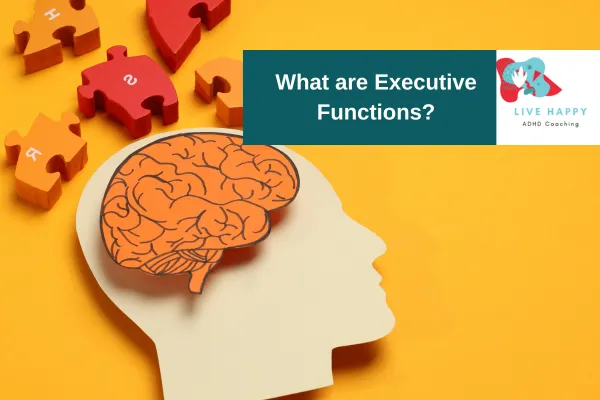
Executive Functions are the mental abilities that we use to guide our behavior, consider our past and anticipate the future.

This article will be about cognitive distortions, or traps and how they can influence your thinking. These are NOT unique to ADHD yet I find I’ve been guilty of all of them at times. We’re only human after all.
OTHER POST:
The Struggles of Implementing Executive Function and Self-Regulation in Real-Time with ADHD
Building Blocks of Self-Compassion for ADHD
Your Brain Is Playing Tricks On You: 13 Cognitive Traps
The Building Blocks of Self-Awareness for ADHD
Why is routine so important to someone with ADHD?
How to Use the Magic of Body Doubling to Boost Productivity
ADHD and Burnout: Understanding the Vulnerable Nervous System
The Hidden Trauma of Growing Up with ADHD: How Neurodivergent Children Develop Complex PTSD
ADHD and the Polyvagal Ladder: Understanding Your Nervous System States
Beyond Stimulants: Integrative Treatment Approaches for ADHD Recovery
The ADHD Energy Crisis: Understanding Spoons Theory and Sustainable Living
Unmasking ADHD: The Exhaustion of Performing Neurotypical
ADHD and Rejection Sensitive Dysphoria: Healing the Wounded Inner Child
Creating ADHD-Friendly Environments: From Sensory Overwhelm to Sanctuary
The ADHD Perfectionism Trap: Breaking Cycles of Shame and Self-Criticism
Thriving with ADHD: Post-Traumatic Growth and Neurodivergent Strengths
Your Brain Is Playing Tricks On You: 13 Cognitive Traps
Understanding Attention in People with ADHD
AI Tools for ADHD Brains: Enhancing Productivity and Well-being
How the Stages of Grief Can Explain the ADHD Diagnosis Journey

If I Can Do It, You Can Too! No BS, no $10k investment, and no unrealistic promises—just simple, accessible steps that can transform your relationship with your ADHD brain.

Coping mechanisms are the strategies or skills people use to manage a problem. For people with ADHD these coping mechanisms help us manage life better.

Executive Functions are the mental abilities that we use to guide our behavior, consider our past and anticipate the future.

This article will be about cognitive distortions, or traps and how they can influence your thinking. These are NOT unique to ADHD yet I find I’ve been guilty of all of them at times. We’re only human after all.
OTHER POST:
The Struggles of Implementing Executive Function and Self-Regulation in Real-Time with ADHD
Building Blocks of Self-Compassion for ADHD
Your Brain Is Playing Tricks On You: 13 Cognitive Traps
The Building Blocks of Self-Awareness for ADHD
Why is routine so important to someone with ADHD?
How to Use the Magic of Body Doubling to Boost Productivity
ADHD and Burnout: Understanding the Vulnerable Nervous System
The Hidden Trauma of Growing Up with ADHD: How Neurodivergent Children Develop Complex PTSD
ADHD and the Polyvagal Ladder: Understanding Your Nervous System States
Beyond Stimulants: Integrative Treatment Approaches for ADHD Recovery
The ADHD Energy Crisis: Understanding Spoons Theory and Sustainable Living
Unmasking ADHD: The Exhaustion of Performing Neurotypical
ADHD and Rejection Sensitive Dysphoria: Healing the Wounded Inner Child
Creating ADHD-Friendly Environments: From Sensory Overwhelm to Sanctuary
The ADHD Perfectionism Trap: Breaking Cycles of Shame and Self-Criticism
Thriving with ADHD: Post-Traumatic Growth and Neurodivergent Strengths
Your Brain Is Playing Tricks On You: 13 Cognitive Traps
Understanding Attention in People with ADHD
AI Tools for ADHD Brains: Enhancing Productivity and Well-being
How the Stages of Grief Can Explain the ADHD Diagnosis Journey